Tummy Tuck
Surgeon-led abdominoplasty at CFH Istanbul. Muscle plication, umbilical repositioning, and full abdominal recontouring planned and performed by one named surgeon, intake to twelve-month review. JCI + TEMOS accredited.
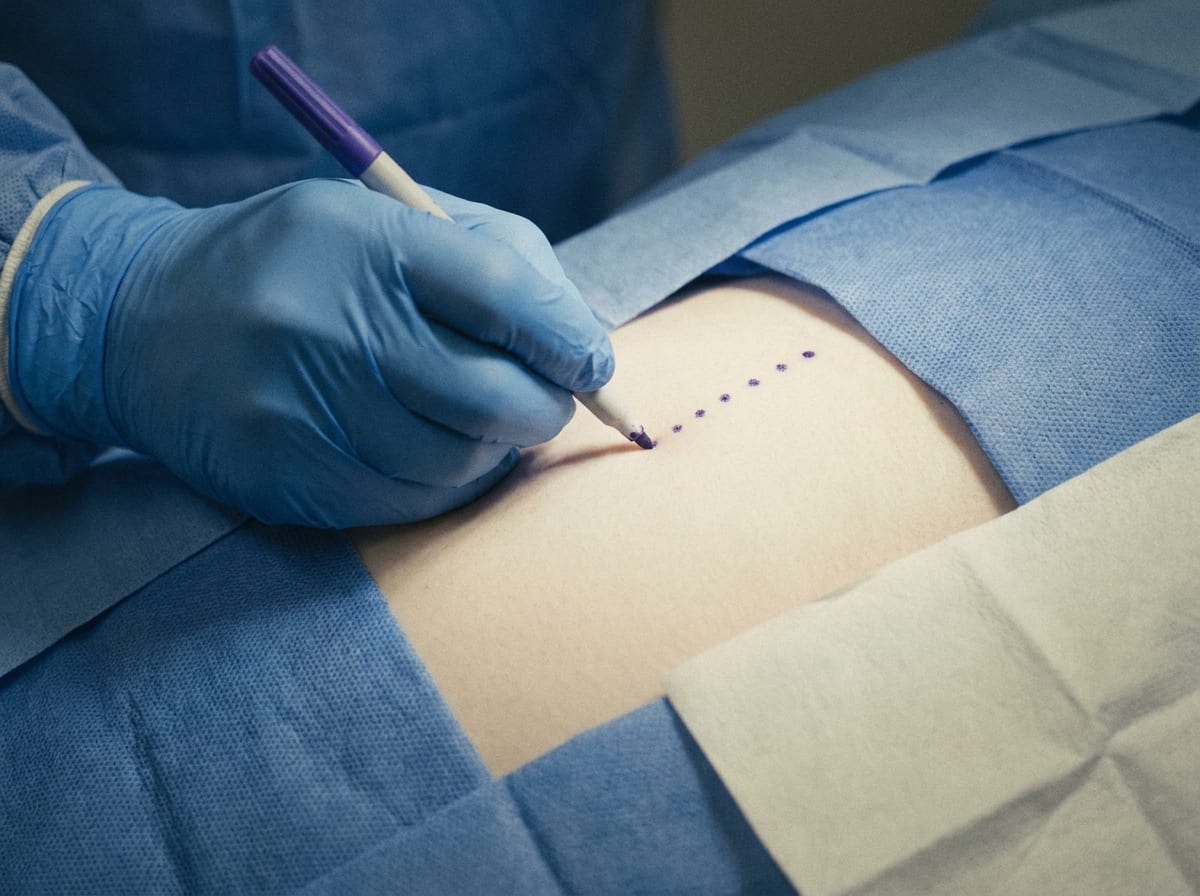
The abdomen is one of the areas most resistant to surgical shortcutting. The skin is large, the underlying muscle is load-bearing, and the navel repositioning — if handled carelessly — is where results telegraph their origin. These are the reasons a tummy tuck is a procedure where the quality of the operating plan matters as much as the skill of the hands that carry it out.
At CFH, the surgeon who evaluates your abdomen in the intake consultation is the surgeon who performs the procedure and who reviews your recovery at three, six, and twelve months. The plan is theirs from the first conversation to the close-out note.
What abdominoplasty involves
A tummy tuck — formally an abdominoplasty — addresses three things that exercise and weight management cannot: loose or excess abdominal skin, weakened or separated rectus muscles (diastasis), and a displaced or distorted navel.
At CFH, the procedure is performed under general anaesthesia and takes three to four hours. The incision is placed low, within the bikini line wherever anatomy permits. Through it, the surgeon:
- Plicates the rectus muscles — suturing the two halves of the abdominal wall back toward the midline, restoring the structural support that pregnancy, weight change, or time has separated
- Removes excess skin — the redundant panel between the low incision and the navel is excised; the flap above is advanced and re-draped
- Repositions the umbilicus — the navel is not moved. It is re-sited through a new opening in the advanced skin flap so its position relative to the abdominal wall remains anatomically correct
The extent of the procedure is matched to anatomy. A full abdominoplasty addresses the entire abdominal panel. A modified or mini approach addresses the lower zone only, when that is where the concern is actually concentrated — and when the muscle wall above the navel does not require plication.
Who is a good candidate
Abdominoplasty works best when the concern is structural rather than primarily about weight. The surgery removes skin and restores muscle structure — it does not remove fat in the meaningful volumes that would change body weight. Good candidates typically have:
- Excess or loose abdominal skin that has not responded to weight management or exercise
- Muscle separation (diastasis recti) following pregnancy or significant weight change
- A stable weight for at least three to six months prior to surgery — ideally at or near their goal weight
- No plans for further pregnancies, which would undo the muscle plication
Patients arriving from Turkey abdominoplasty searches often ask about combining the procedure with liposuction of the flanks or waist. At CFH, combined abdominal contouring is planned as a single surgical logic — the sequencing and extent decided by one surgeon looking at the whole picture, not as separate items added to a list.
If your situation involves significant post-bariatric weight loss, where the skin panel is extensive and may wrap around the flanks, the surgeon will discuss whether a full abdominoplasty addresses the concern adequately or whether a belt lipectomy approach is more appropriate for your anatomy.
Recovery in plain terms
The first forty-eight hours after a tummy tuck are the most physically demanding part of the process. Most patients are comfortable but moving carefully — slightly stooped at the waist to avoid tension on the lower incision — and this posture is expected and normal for the first five to seven days.
The standard recovery arc at CFH:
- Days 1–3: Recovery at the hotel, compression garment worn continuously, drain management as needed, pain well-controlled with prescribed medication. The surgeon or coordinator checks in within the first 24 hours.
- Days 4–7: Drain removal typically at day three to five. Most patients are moving more freely by day five. The incision is reviewed before discharge.
- Weeks 2–4: Return to desk work and light activity. Compression garment continues for the full six weeks. Significant swelling remains but is typically not visible under clothing.
- Months 3–6: The abdominal wall tightness from the plication gradually softens into normal tone. Scar maturation continues — the scar is red and firm during this phase, then flattens and fades significantly through month twelve.
- Month 12: The settle point. Scars are at their final appearance. The muscle plication outcome is stable. The surgeon conducts the close-out review and sends the summary to your GP.
Operative details at CFH:
- Duration: 3–4 hours
- Anaesthesia: general
- Recovery hotel: 7 nights
- Visible recovery: approximately 10 days
- Full settle: 12 months
- Price band: €6,400 – €8,200
The tummy tuck scar
The most consistent question about abdominoplasty is the scar — its length, its placement, and how visible it becomes.
The incision runs horizontally across the lower abdomen, typically from hip to hip, placed at a level designed to sit below the waistband of underwear or a swimsuit. The exact position and length depend on the amount of skin to be removed and your individual anatomy.
Scars do not disappear. They mature. A tummy tuck scar at twelve months, managed with appropriate post-operative care, is typically a fine, pale, flat line that sits below where clothing sits. At three months, the same scar is often raised, firm, and pink — which alarms patients who see it at this stage. The surgeon's three-month and six-month reviews exist precisely to track this maturation and provide realistic guidance on what the scar will look like at the end of its arc, not just where it is today.
CFH does not make guarantees about scar outcome — scar behaviour is individual and influenced by genetics, skin type, and how closely post-operative instructions are followed. What we do guarantee is that the placement decision and wound closure are made by the operating surgeon, and that the same surgeon reviews the scar's progress at every scheduled follow-up.
Mini tummy tuck versus full abdominoplasty
A mini tummy tuck addresses the lower abdominal panel only — below the navel — and does not reposition the umbilicus. It suits patients whose concern is genuinely limited to the lower zone: excess skin below the navel, lower abdominal laxity, and no significant diastasis above the navel.
The distinction matters because patients frequently request a mini procedure when their anatomy actually calls for a full one — and the reverse, where a full abdominoplasty is recommended when the lower-only approach would have been sufficient. At CFH, that assessment happens before the operating plan is signed, not on the day.
If you have asked other clinics for a mini tummy tuck and received different answers, that discrepancy itself is useful information — it usually means your anatomy sits at a borderline that requires careful surgical judgment rather than a standard menu answer. The intake at CFH will address this directly.
What could be different from what you expect
Abdominoplasty is a significant procedure with a meaningful recovery. The patients who find the process most manageable are those who arrive with an accurate picture of what the first two weeks actually involve.
A few honest points:
The swelling timeline is longer than most people anticipate. The abdominal contour at three months does not reflect the contour at twelve months. The improvement is real and significant, but it arrives gradually. Patients who expect to see their final result at the six-week mark are routinely surprised; the surgeon's role at the three-month review is partly to recontextualise where the outcome is heading.
The muscle plication is felt, not just seen. The tightness from suturing the abdominal wall is a physical sensation — a feeling of internal tension that is not painful after the first week but is noticeable for several months. This is a sign the plication is holding, not a sign that something is wrong.
Combined procedures extend recovery. If liposuction of the flanks or waist is incorporated into the same operating session, the recovery footprint is larger and the compression garment period is longer. This is planned explicitly, not adjusted after the fact.
A stable weight before surgery affects the outcome. Abdominoplasty is not a weight-loss procedure. Significant weight gain after surgery can re-stretch the skin and partially undo the plication. The surgeon will ask about weight stability during intake — not as a barrier, but because the timing of surgery relative to where your weight is heading affects what the twelve-month result will look like.
How CFH plans a tummy tuck
The intake is a 30-minute call in your language. You describe what has changed about your abdomen and what you want to address — no surgical menu is presented. The surgeon listens for intention, then works from your photographs.
Within 48 hours, the matched surgeon signs a written plan that specifies the approach (full or modified abdominoplasty, any combined liposuction), what can and cannot be achieved for your specific anatomy, and how recovery is expected to progress. That plan is yours before anything is committed.
On procedure day, the surgeon who wrote that plan is the surgeon at the table. Dr. N. Özdemir leads body contouring at CFH, with a long-standing focus on aesthetic plastic surgery. The coordinator who arranged your travel and hotel is available throughout your stay and for the twelve months of follow-up that follow.
CFH has been in continuous practice since 1994. The facility — BHT Clinic, Istanbul — holds JCI accreditation and TEMOS certification for international patient care. Intake is available in eight languages: English, Romanian, Italian, Spanish, French, Albanian, Arabic, and Farsi.
Frequently asked questions
What is the cost of a tummy tuck in Istanbul?
The price band at CFH for abdominoplasty is €6,400 – €8,200. This covers the procedure, general anaesthesia, seven nights at the recovery hotel, and the full post-operative review schedule through twelve months. The written plan you receive before committing specifies exactly what is included. There is no fee to consult.
How long does it take to recover from a tummy tuck?
Most patients are comfortable for daily activities within ten days and return to desk work in two to three weeks. The compression garment is worn for six weeks. Exercise returns at six to eight weeks. The full abdominal contour — after the swelling has fully resolved — is seen at around twelve months, not at six weeks.
Can I fly home after a tummy tuck?
Yes, but timing matters. CFH schedules seven recovery hotel nights to allow the incision to be reviewed and the drains to be removed before departure. Most patients fly home on day seven to ten. Long-haul flights carry an elevated deep-vein thrombosis risk in the early post-operative period; your surgeon will discuss timing, compression stockings, and ambulation protocol before you travel.
Will my tummy tuck scar be visible?
The incision is placed low — below the bikini or swimwear line wherever anatomy permits. At twelve months, well-matured tummy tuck scars are typically fine, flat, and pale, and sit beneath clothing. At three months, they are often raised, pink, and visible — this is normal scar maturation, not a poor outcome. The surgeon's follow-up reviews are specifically designed to track and manage this arc.
Is a mini tummy tuck right for me?
A mini tummy tuck is appropriate when the concern is genuinely limited to the lower abdominal zone and there is no significant muscle separation above the navel. If your examination suggests a full abdominoplasty would serve you better, the surgeon will say so during the planning stage — not as an upsell, but because operating the wrong procedure leaves the result you actually needed undone.
Can a tummy tuck be combined with other procedures?
Yes. Abdominoplasty at CFH is commonly combined with liposuction of the flanks or waist (often described as 360 lipo) and with breast surgery, particularly after significant weight loss or pregnancy. Combined procedures are planned as a single surgical session under one surgeon's oversight — the sequencing and extent are decided by the operating surgeon based on your anatomy and recovery capacity, not as separate items requested off a menu.
Will I see the same surgeon throughout?
Yes. The surgeon who hears your intake, signs the plan, performs the procedure, and conducts all post-operative reviews is the same person at every stage. At CFH this is the only model in operation. There is no delegation to a junior at any point.
Do I need to speak Turkish to be treated at CFH?
No. Intake, surgical planning, and all post-operative communication are conducted in your language. CFH operates in eight languages: English, Romanian, Italian, Spanish, French, Albanian, Arabic, and Farsi. The written plan, after-care card, and close-out note sent to your GP are provided in your language.
Begin a consultation
One surgeon, from the first conversation to the twelve-month review. Tell us what you are considering — we will tell you honestly what is possible.