Mommy Makeover
Surgeon-led mommy makeover at CFH Istanbul. Abdominoplasty, breast surgery, and liposuction combined under one named surgeon, planned around real recovery. JCI + TEMOS accredited. Intake in 8 languages.
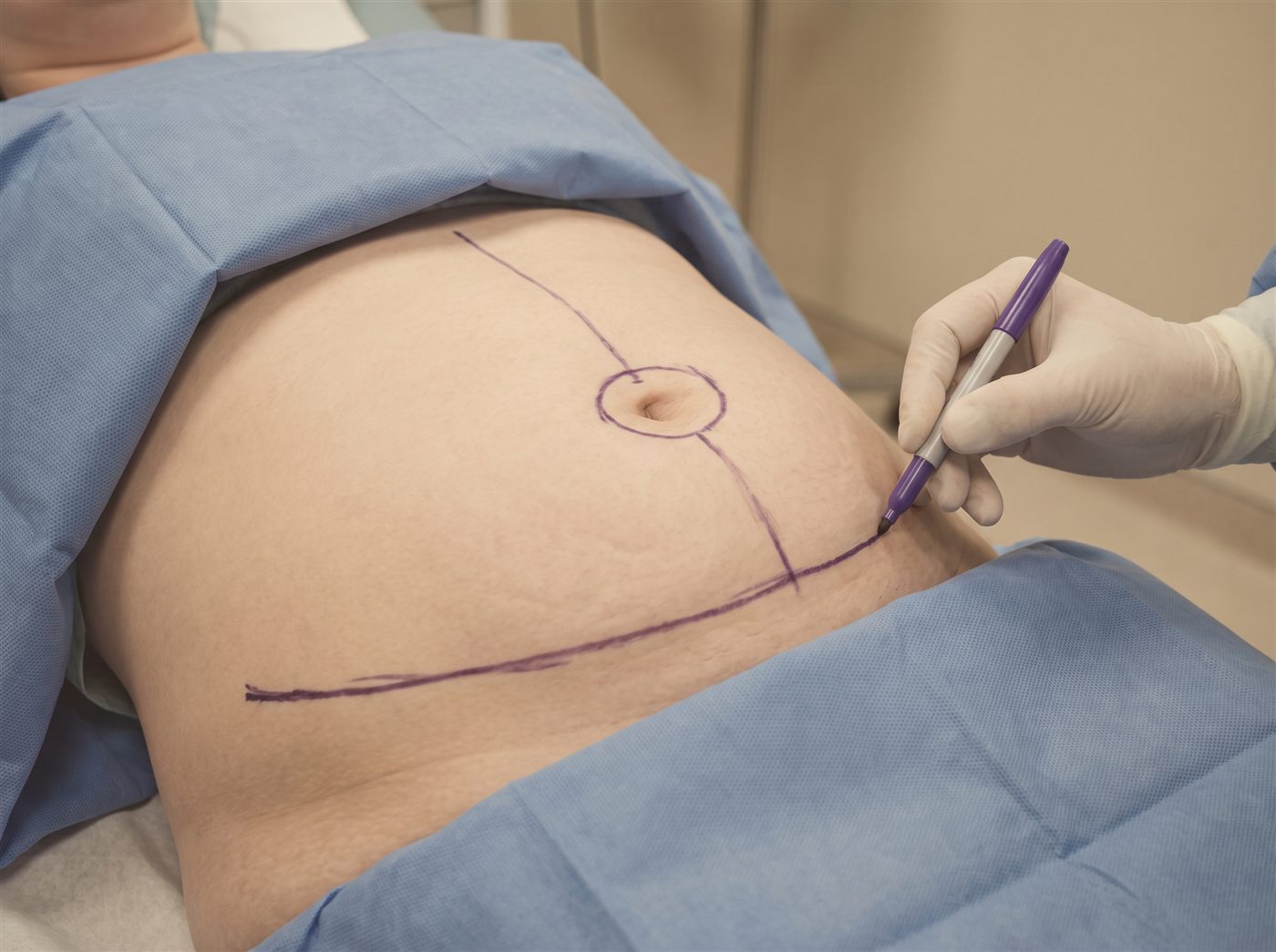
A mommy makeover is not a single procedure — it is a combination of surgeries planned as one session, sequenced to address what pregnancy and the period after it do to the body at the same time. The abdomen changes in one way. The breasts change in another. Body fat redistributes in a third. Addressing all three in a single, coordinated operation avoids multiple anaesthetics, multiple recovery periods, and the coordination problem of having three different clinicians make three separate plans that were never designed to fit together.
At CFH, the mommy makeover is planned under one surgeon's oversight from the first conversation to the twelve-month review. The same surgeon who listens to your intentions in the intake call is the surgeon who designs the combination, performs every part of it, and reviews your recovery at three, six, and twelve months.
What a mommy makeover typically involves
The procedures included in a mommy makeover at CFH are matched to your individual anatomy. There is no fixed menu. The most common combination is:
- Abdominoplasty (tummy tuck) — addressing loose or excess abdominal skin, rectus muscle separation (diastasis), and navel repositioning. The incision is placed low, within the bikini line wherever anatomy permits.
- Breast surgery — typically a breast lift (mastopexy), breast augmentation, or both. The choice depends on what has actually changed: volume loss, position change, or ptosis are different problems that call for different interventions.
- Liposuction — contouring the flanks, waist, or hips where fat has redistributed and has not responded to weight management. At CFH this is VASER-assisted, with definition-led contouring.
The combination is planned as a single surgical logic. Which procedures are included, in what sequence, and how each is modified to work alongside the others — that is the planning work, and it is done by one surgeon who is looking at the whole picture before anything is committed to paper.
The procedure runs five to seven hours under general anaesthesia, with seven nights at the recovery hotel.
Who is a good candidate
Most patients seeking a mommy makeover in Istanbul have completed their family and reached a stable weight. Both are relevant to the planning:
Family completion matters because abdominoplasty involves muscle plication — suturing the separated abdominal wall back toward the midline. A subsequent pregnancy would re-separate those muscles, undoing the structural repair. The timing of surgery relative to family plans is addressed directly during the intake call.
Weight stability matters because the surgery removes skin and contours fat distribution — it is not a weight-loss procedure. A meaningful weight change after surgery re-stretches the abdominal skin that was excised and affects the liposuction result. Candidates who are at or near their stable goal weight before surgery have the most durable results at twelve months.
Patients also frequently ask whether the combination is appropriate after significant post-bariatric weight loss rather than specifically after pregnancy. The same planning logic applies — the extent of skin excess, the degree of breast ptosis, and the fat distribution pattern are assessed individually, and the combination is adapted accordingly. The label "mommy makeover" reflects the most common presentation, not a restriction on who the procedures serve.
How the combination is sequenced
Combining multiple procedures in one session is not simply a matter of performing each one after the other. Sequencing affects anaesthesia time, patient positioning, tissue tension, and recovery footprint.
At CFH, the sequencing decision belongs to the operating surgeon. Breast surgery is typically performed first in the supine position; the abdominal work follows. The liposuction may precede or follow the abdominoplasty depending on what the surgeon needs to see at each stage. This is not a standard protocol applied uniformly — it is a surgical judgment made per case.
Patients who have asked other clinics for a mommy makeover and received different component recommendations — different procedures, different staging — are often experiencing the effect of that surgical judgment varying by surgeon. The intake at CFH will address specifically which components are relevant to your anatomy and why, before the plan is signed.
Recovery in plain terms
A mommy makeover carries a longer recovery than any single component procedure. This is the most important thing to plan around accurately — patients who underestimate the first two weeks find the process significantly harder than those who arrive with a realistic picture.
The recovery arc at CFH:
- Days 1–3: In-hospital or recovery hotel rest. The abdominal plication creates a tight, stooped posture that is expected and resolves over the first week. Compression garment worn continuously. Drains managed as needed. Pain is well-controlled with prescribed medication. The coordinator checks in within 24 hours.
- Days 4–7: Drain removal is typically at day three to five. Movement improves steadily. Breast discomfort decreases faster than abdominal tightness, which follows its own slower arc. The surgeon reviews the incisions before discharge.
- Weeks 2–4: Return to light desk activity. Compression garment continues. Significant swelling remains across both the abdomen and chest but is typically concealed under clothing.
- Months 3–6: The structural outcomes — muscle plication, breast position — stabilise. Swelling continues to resolve. Scars are maturing: firm, pink, and visible at three months; flattening and fading through to twelve.
- Month 12: The settle point. Scars are at their final appearance. The abdominal wall tone is stable. Breast position is settled. The surgeon conducts the close-out review and sends the summary to your GP.
Operative details at CFH:
- Duration: 5–7 hours
- Anaesthesia: general
- Recovery hotel: 7 nights
- Visible recovery: approximately 14 days
- Full settle: 12 months
- Price band: €9,200 – €13,600
What could be different from what you expect
The patients who find a mommy makeover most manageable are those who arrived knowing what the first two weeks actually involve. The patients who find it hardest are those who expected to feel well by day three.
Some honest points:
Recovery is additive, not average. The recovery from combined procedures is not the average of each component recovery — it is closer to the longest one, sometimes extended by the interaction between them. A breast lift alone means ten days. An abdominoplasty alone means ten days. Combined, fourteen days of limited mobility is a conservative and accurate estimate for the abdominal work, which dictates the pace.
The abdominal tightness is physical, not psychological. The sensation of internal tension from the muscle plication is felt for weeks. It is not painful after the first week, but it is noticeable, and patients who do not expect it sometimes interpret it as a sign of a problem. It is a sign the plication is holding.
Breast results and abdominal results settle on different timelines. Breast swelling resolves faster than abdominal swelling. Patients may see a settled breast result at three to four months while the abdominal contour is still evolving. The twelve-month review exists precisely to assess the full combination at the point where all components have reached their final state.
The swelling arc is long. The abdominal contour at three months is not the contour at twelve months. Patients who expect to see their final result at the six-week mark are consistently surprised by how much further the outcome travels. Knowing this in advance — and having a surgeon who explains it at every review — makes the wait manageable.
A stable weight after surgery is part of the plan. The surgery removes skin, repairs muscle, and contours fat. It does not fix the processes that created those changes. Weight gain after surgery does not undo the plication immediately, but it progressively works against the result. This is discussed during intake as a planning question, not a moral one.
How CFH plans a mommy makeover
The intake is a 30-minute call in your language. You describe what has changed and what concerns you most — no surgical menu is presented. The surgeon listens for your priorities, then works from your photographs.
Within 48 hours, the matched surgeon signs a written plan that specifies exactly which procedures are included, what each will address in your specific anatomy, how they are sequenced, and how recovery is expected to progress. That plan is yours before anything is committed.
On procedure day, the surgeon who wrote that plan is the surgeon at the table. Dr. N. Özdemir leads body contouring at CFH, with sixteen years in aesthetic plastic surgery. His view of body work: "Body work is a marathon. The first review is at month six, not month one. We tell people this on day one." The coordinator who arranged your travel and hotel stays available throughout your stay and for the twelve months of follow-up that follow.
CFH has been in continuous practice since 1994. The facility — BHT Clinic, Istanbul — holds JCI accreditation and TEMOS certification for international patient care. Intake is available in eight languages: English, Romanian, Italian, Spanish, French, Albanian, Arabic, and Farsi.
Frequently asked questions
What is a mommy makeover in Istanbul?
A mommy makeover is a combination of body contouring procedures — typically abdominoplasty, breast surgery (lift, augmentation, or both), and liposuction — performed in a single operating session under general anaesthesia. At CFH, the combination is planned and performed by one named surgeon who oversees every element from intake to twelve-month review.
What does a mommy makeover typically include?
The most common combination at CFH is abdominoplasty with muscle plication, a breast lift or augmentation, and liposuction of the flanks or waist. The specific procedures included are matched to your anatomy in the surgical planning stage, not pre-selected from a fixed menu.
How long is the recovery from a mommy makeover?
The first fourteen days are the most physically limiting. Most patients return to light desk activity at two to three weeks. The compression garment is worn for six weeks. The full result — after all swelling has resolved and scars have matured — is seen at around twelve months. Planning for two full weeks of limited mobility is the realistic minimum.
Can I fly home after a mommy makeover in Istanbul?
Yes. CFH schedules seven recovery hotel nights to allow incision review and drain removal before departure. Most patients fly home at day seven to ten. The surgeon will discuss flight timing, compression protocols, and mobility requirements before you travel.
How does a surgeon-led mommy makeover differ from other approaches?
The surgeon who evaluates your anatomy in the intake call is the surgeon who designs the combination, performs every procedure in the session, and reviews your recovery at three, six, and twelve months. There is no handover to a junior for any component. This matters for combination surgery in particular — the sequencing and extent decisions require the same surgical judgment throughout the session.
Can a mommy makeover be performed after post-bariatric weight loss, not just after pregnancy?
Yes. The underlying anatomy — excess abdominal skin, breast ptosis, redistributed fat — responds to the same procedures regardless of what caused it. The label reflects the most common context, not a restriction. The surgical planning is adapted to your specific anatomy in either case.
Do I see the same surgeon at every stage?
Yes. At CFH, the surgeon who hears your intake, signs the plan, performs the procedure, and conducts all follow-up reviews is the same person throughout. This is the only model in operation.
What languages is the intake available in?
Eight: English, Romanian, Italian, Spanish, French, Albanian, Arabic, and Farsi. Arabic and Farsi are served right-to-left, including the written plan and after-care card.