BBL
Surgeon-led BBL in Istanbul at CFH. Fat-transfer gluteal augmentation performed in a JCI + TEMOS accredited theatre by one named surgeon, intake to twelve-month review. Fat placed in the subcutaneous layer only.
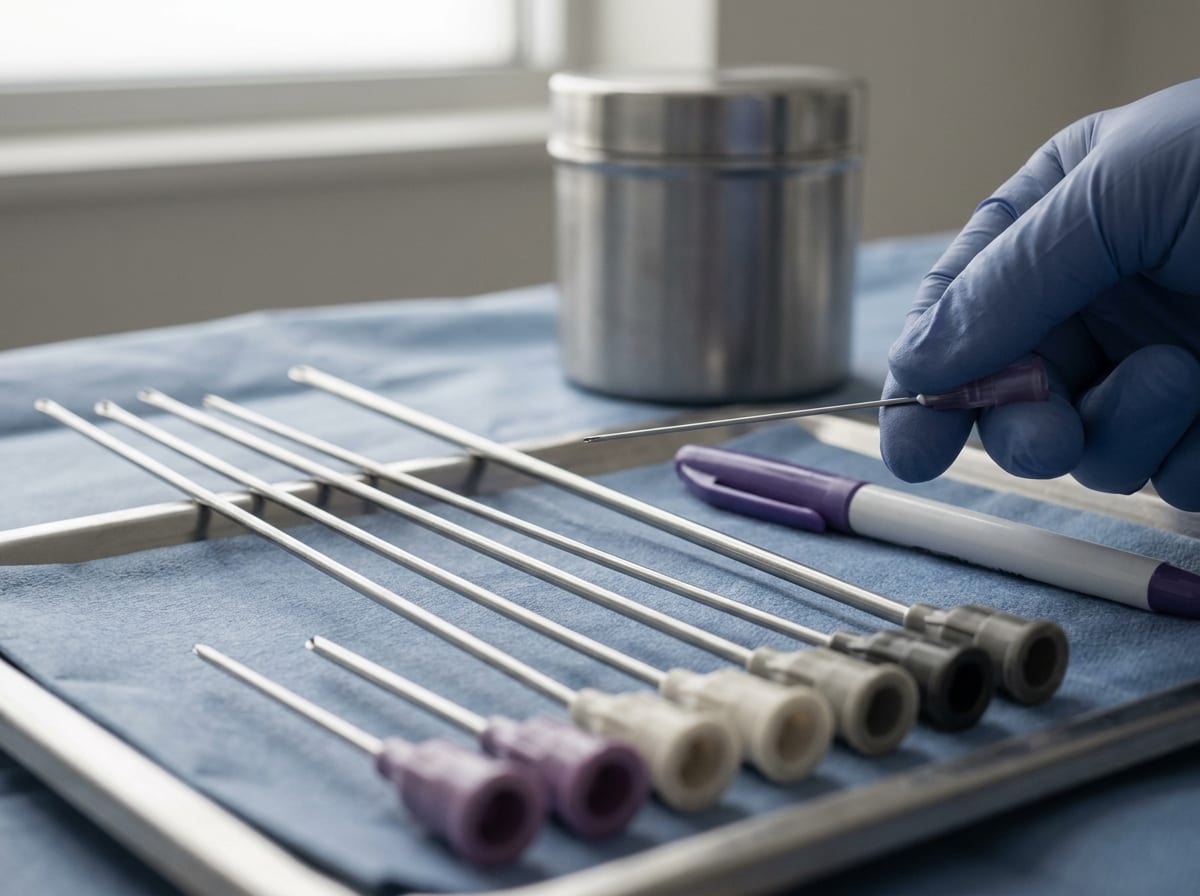
The BBL is one of the most scrutinised procedures in aesthetic surgery — and for good reason. The technique involves harvesting fat from one area of the body and transferring it to the gluteal region, which means two concurrent surgical sites, a recovery posture most patients don't anticipate, and a result that takes a full year to reveal itself. Done well, the outcome is a natural-looking improvement in shape and proportion that no implant achieves. Done carelessly, the risks are not abstract.
At CFH, a BBL is performed in a JCI-accredited theatre by one named surgeon who is accountable for the complete arc: intake assessment, operative plan, procedure, and every recovery review through twelve months. The fat is placed in the subcutaneous tissue above the gluteal muscle only — never into the muscle itself. That is not a marketing line. It is the fundamental technical safeguard that defines how we perform this procedure.
What a BBL involves
A Brazilian butt lift is a two-part procedure performed in the same surgical session under general anaesthesia.
Part one — liposuction: Fat is harvested from donor areas, typically the abdomen, flanks, lower back, and thighs. The extent of harvest depends on how much fat is needed for a proportionate result and how much viable donor fat is available from your anatomy. VASER-assisted liposuction is used to harvest fat in a way that preserves the integrity of the cells for transfer.
Part two — fat transfer: The harvested fat is processed to remove fluid and non-viable material, then injected into the gluteal region in multiple small passes. The fat is placed in the subcutaneous layer — the tissue between skin and muscle. Injection into or through the gluteal muscle carries a serious risk of vascular injury and is not performed at CFH under any circumstances.
The procedure takes 3.5 to 5 hours depending on the volume of liposuction required and the complexity of the shaping plan.
What determines the outcome shape is not primarily the volume of fat transferred, but where it is placed, in what layers, and how it is distributed across the gluteal region. A surgeon's spatial understanding of the gluteal anatomy — upper pole, lateral projection, transition to the thigh — is what creates the result. Volume alone creates roundness; placement creates proportion.
The fat survival question
Not all transferred fat survives. A portion of injected fat cells does not establish a blood supply and is gradually reabsorbed by the body in the weeks following surgery. This is normal, predictable, and accounted for in the operative plan.
The surgeon plans for the portion that won't take — the initial volume placed is calibrated with the expectation that a meaningful fraction will be reabsorbed, and the final shape is designed around what remains after the settle period. Patients should not expect the immediate post-operative volume — which is also affected by swelling — to represent the long-term result.
The full shape of a BBL is not visible until approximately twelve months post-surgery. The six-month result is close but not final. The three-month result is not representative. This is one of the procedures where the scheduled review arc — at three, six, and twelve months — carries real clinical value, not just administrative box-ticking.
Who is a good candidate
A BBL suits patients who want improved gluteal shape and projection rather than simply volume, and who have sufficient donor fat available from elsewhere on the body to achieve a proportionate result.
Good candidates typically have:
- Sufficient donor fat in the abdomen, flanks, lower back, or thighs — liposuction of these areas is the first step, and the fat harvested is the raw material for the transfer
- A stable weight for at least three to six months; significant weight loss after surgery affects the transferred fat in the same way it affects native fat
- A body frame and gluteal anatomy where the desired shape is achievable within anatomically safe injection volumes
- Realistic expectations about the settle timeline and the proportion of transferred fat that will be retained
The "skinny BBL" question is one of the most common candidacy questions we receive. A smaller-framed patient with limited donor fat can still be a good candidate — but the volume achievable is necessarily modest, and the result will be a refined shape improvement rather than a significant volume increase. The surgeon will assess donor sites honestly during the planning stage. If your available donor fat is insufficient to achieve what you're describing, that conversation happens before the plan is signed, not after.
A BBL does not address skin laxity. If the gluteal or thigh skin is significantly loose, fat transfer does not tighten it. The surgeon will identify this during assessment and discuss whether the concern is one fat transfer can address or whether the anatomy points toward a different approach.
Recovery in plain terms
BBL recovery has one defining constraint that no other body procedure shares: you cannot sit directly on your buttocks for the first two to four weeks. Pressure on the newly transferred fat during the critical early period when blood supply is being established can cause fat cell death and compromise the outcome.
This is a practical reality that should be understood before surgery, not during recovery. It affects how you sleep, how you travel, how you use the bathroom, and whether you can return to desk work in the early weeks. Patients who arrive prepared for this constraint find recovery manageable. Patients who discover it mid-recovery find it significantly more disruptive.
The standard recovery arc at CFH:
- Days 1–3: Recovery at the hotel. Sleeping face-down or on your side. Compression garment worn over both the liposuction donor sites and the gluteal region. Discomfort at the harvest sites is typically more pronounced than at the injection sites.
- Days 4–7: Most of the acute discomfort from liposuction resolves. The no-sitting restriction remains. A BBL pillow (which offloads pressure to the thighs when seated) can be introduced for brief seated periods at day four to five if anatomy and volume allow — the surgeon advises individually.
- Day 7–10: Incision review and discharge assessment. Most patients fly home at day seven to ten. The compression garment continues.
- Weeks 2–6: The no-direct-sitting restriction typically lifts at week two to four. Return to light activity. Compression garment worn for the full six weeks.
- Months 3–6: Donor site swelling resolves. The transferred volume stabilises as fat that will survive has established blood supply and fat that won't has been reabsorbed. The gluteal shape becomes more representative of the final result.
- Month 12: Settle point. The remaining fat behaves as native fat — it responds to weight change as native fat does. The surgeon conducts the close-out review.
Operative details at CFH:
- Duration: 3.5–5 hours
- Anaesthesia: general
- Recovery hotel: 7 nights
- Visible recovery: approximately 14 days
- Full settle: 12 months
- Price band: €6,800 – €9,400
The question patients search but rarely ask directly
Searches for "BBL deaths turkey" and "BBL gone wrong" represent a real concern, not tabloid curiosity. The BBL has had a well-documented safety history in the aesthetic surgery field, and patients researching the procedure internationally are right to ask about it.
The risk that has driven that history is anatomically specific: fat injected into or near the gluteal muscle carries a risk of entering a large vascular structure, with serious consequences. The mitigation is technical: do not inject into or through the muscle.
At CFH, fat is placed in the subcutaneous tissue above the gluteal fascia only. The operative plan specifies this. The JCI-accredited theatre includes on-site anaesthesia, on-site ICU, and all intraoperative monitoring. The surgeon performing the procedure is the same surgeon who designed the plan and who conducts every post-operative review — which means they are the person with the most direct accountability for how the procedure is performed, not just what it promises on a brochure.
We do not publish complication counts or comparison statistics. The answer to the safety question at CFH is architectural: one surgeon, one plan, one theatre standard, one unbroken line of accountability from intake to twelve-month review.
Surgical BBL versus non-surgical alternatives
Searches for "liquid BBL" and "non-surgical BBL" describe filler-based procedures — typically hyaluronic acid or Sculptra injected into the gluteal region without liposuction or fat transfer.
CFH performs surgical fat-transfer BBL only. Non-surgical gluteal filler procedures are not offered here. The distinction matters because the results, longevity, anatomy, and risks of filler-based procedures are fundamentally different from surgical fat transfer — they are not a conservative version of the same thing.
If you have searched for non-surgical options and want to understand why we do not offer them, the intake call is the right place to have that conversation with the surgeon.
How CFH plans a BBL
The intake is a 30-minute call in your language. You describe what you want to change about your shape. The surgeon — not a coordinator, not a patient advisor — is the person who develops the plan from your photographs.
Within 48 hours of receiving your photographs and history, the matched surgeon signs a written plan that specifies the donor sites, the estimated volume to be harvested and transferred, the shaping approach, and an honest assessment of what the twelve-month result is likely to look like for your anatomy. That plan is yours before anything is committed. There is no fee to consult.
Dr. N. Özdemir leads body contouring at CFH, with sixteen years in aesthetic plastic surgery. The coordinator who arranges your travel and hotel is on call throughout your stay and for the twelve months of follow-up that follow.
CFH has been in continuous practice since 1994. The facility — BHT Clinic, Istanbul — holds JCI accreditation and TEMOS certification for international patient care. Intake is available in eight languages: English, Romanian, Italian, Spanish, French, Albanian, Arabic, and Farsi.
Frequently asked questions
How much does a BBL cost in Istanbul?
The price band at CFH for a BBL is €6,800 – €9,400. This covers the procedure, general anaesthesia, seven nights at the recovery hotel, and the full post-operative review schedule through twelve months. The written plan specifies exactly what is included. There is no fee to consult and no obligation to proceed after receiving the plan.
How much is a BBL in Turkey compared to the UK or US?
The CFH price band of €6,800 – €9,400 covers the procedure, general anaesthesia, seven recovery hotel nights, and the full twelve-month post-operative review schedule under the same surgeon. The written plan you receive before committing specifies exactly what is included — the procedure itself, anaesthesia, accommodation, and every scheduled review through month twelve. There is no fee to consult and no obligation to proceed after receiving the plan.
What is included in the BBL Turkey package at CFH?
The CFH intake-to-review model includes: surgeon assessment and written plan before commitment; the procedure performed under general anaesthesia in a JCI-accredited theatre; seven recovery hotel nights; a pre-departure incision review; and video reviews at three, six, and twelve months with the same surgeon. Visa support and airport transfers are coordinated by the CFH team.
Can I see a BBL before and after?
CFH does not publish a before-and-after gallery in the marketing sense. The intake consultation — which carries no fee — is where you discuss your specific anatomy with the surgeon and receive an honest assessment of what the procedure can achieve for your frame, donor fat availability, and goals. That conversation is more useful than a curated photo gallery.
Will I see the same surgeon throughout?
Yes. The surgeon who evaluates your photographs and signs the plan is the surgeon at the operating table, at the incision review before discharge, and at the three-, six-, and twelve-month video reviews. This is the only model we operate. There is no delegation at any stage.
How long can I not sit after a BBL?
The no-direct-sitting restriction typically applies for two to four weeks, depending on your anatomy and the volume transferred. Your surgeon specifies the restriction for your individual case in the post-operative plan. A BBL pillow — which transfers weight to the thighs — can often be introduced for brief periods at four to five days. The coordinator reviews compliance and answers questions during this period without you needing to wait for a scheduled appointment.
When will I see the final result of my BBL?
The full result of a fat-transfer BBL is not visible until approximately twelve months after surgery. At three months, significant swelling from the donor-site liposuction has resolved and the transferred fat that will survive has largely established itself — but the final shape and volume are not yet stable. At six months the result is close to final. The twelve-month review is the surgeon's formal close-out: the fat has fully settled, the liposuction contours have matured, and the result can be accurately assessed.
Do I need to speak Turkish to be treated at CFH?
No. All intake, surgical planning, and post-operative communication are in your language. CFH operates in eight languages: English, Romanian, Italian, Spanish, French, Albanian, Arabic, and Farsi. The written plan, after-care instructions, and the close-out note sent to your GP are provided in your language.
Is a BBL safe in Turkey?
Safety in a BBL is primarily a technical question: where the fat is placed. At CFH, fat is placed in the subcutaneous tissue above the gluteal muscle only — never into or through the muscle. The procedure is performed in a JCI-accredited, TEMOS-certified facility with on-site ICU and around-the-clock anaesthesia cover. The surgeon who designs the plan is the surgeon who performs it and who is accountable for the outcome at every post-operative review. That continuity of accountability is the operational answer to the safety question.